

What is the minimum driving range of the BYD Dolphin Surf?
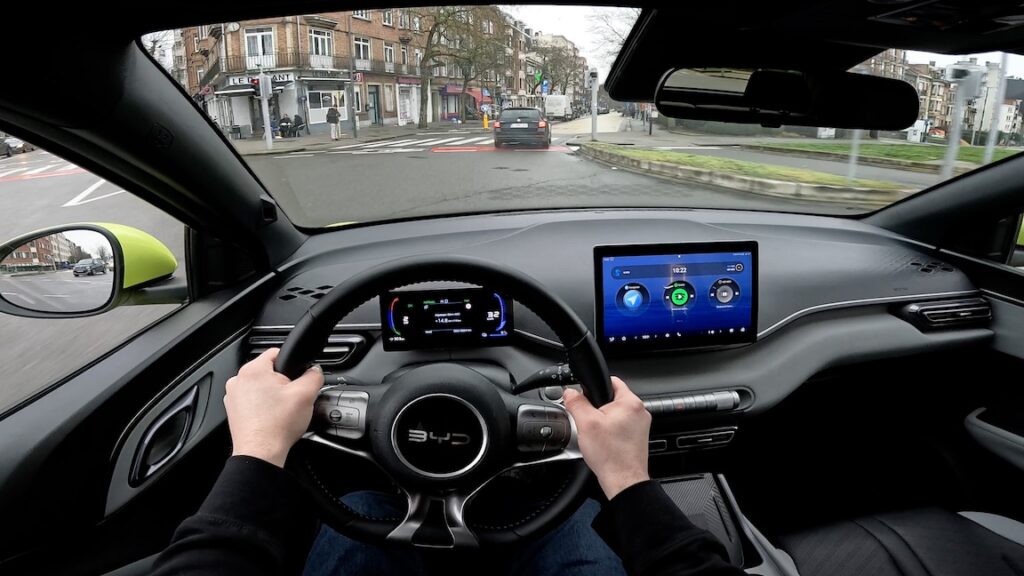
The test starts in Brussels. The first part of the drive consists of city traffic: stopping and accelerating at relatively low speeds. Because the morning rush hour had just ended, traffic jams were limited. The test took place in February at a temperature of about 7 degrees. After 14 kilometers of driving, we note a first result: consumption is 14.3 kWh/100 km.
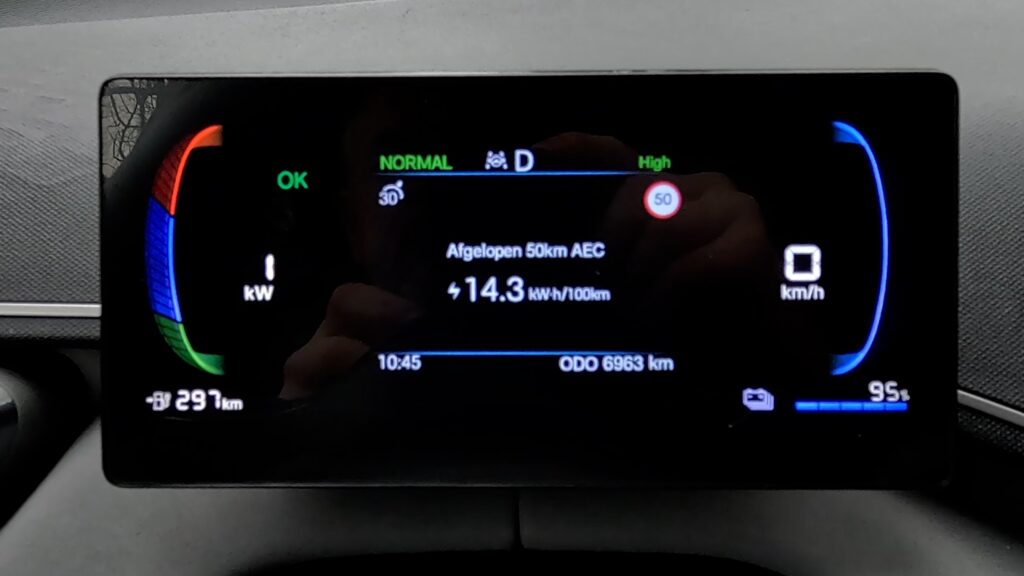 When we calculate this consumption based on battery capacity, we arrive at an estimated city range of 303 kilometers. This is a good result. In tests with other cars, the consumption in the city is often relatively high, but that is certainly not the case here. That is a positive point for this city car.
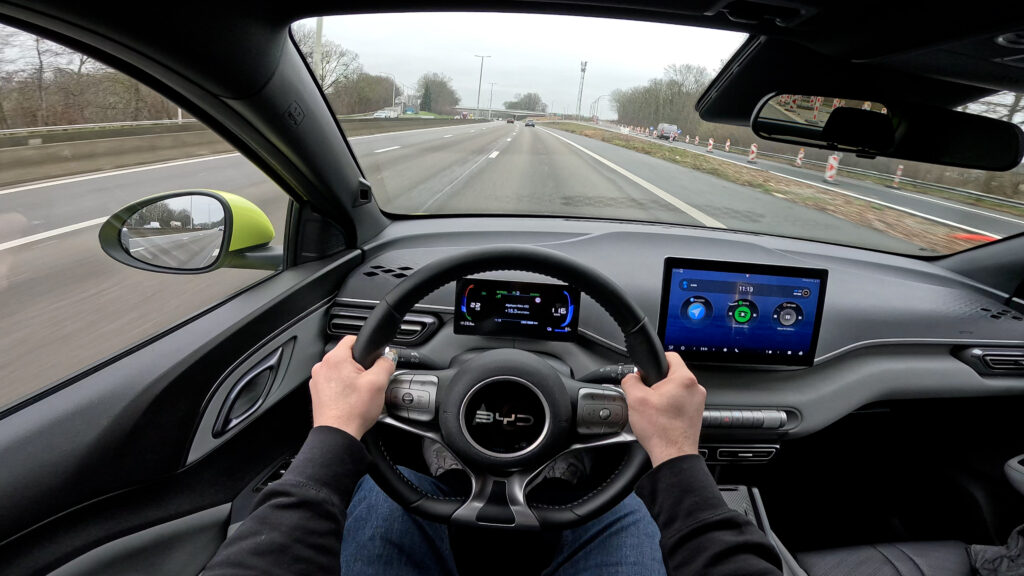
Then we leave the city and take the highway towards Namur, taking the Ardennes roads as our final destination. We drive 120 km/h whenever possible. Despite some delays due to works, the drive goes smoothly. A new check follows after 95 kilometers on the highway. Consumption is 19.7 kWh/100 km, giving an estimated highway range of 220 kilometers.
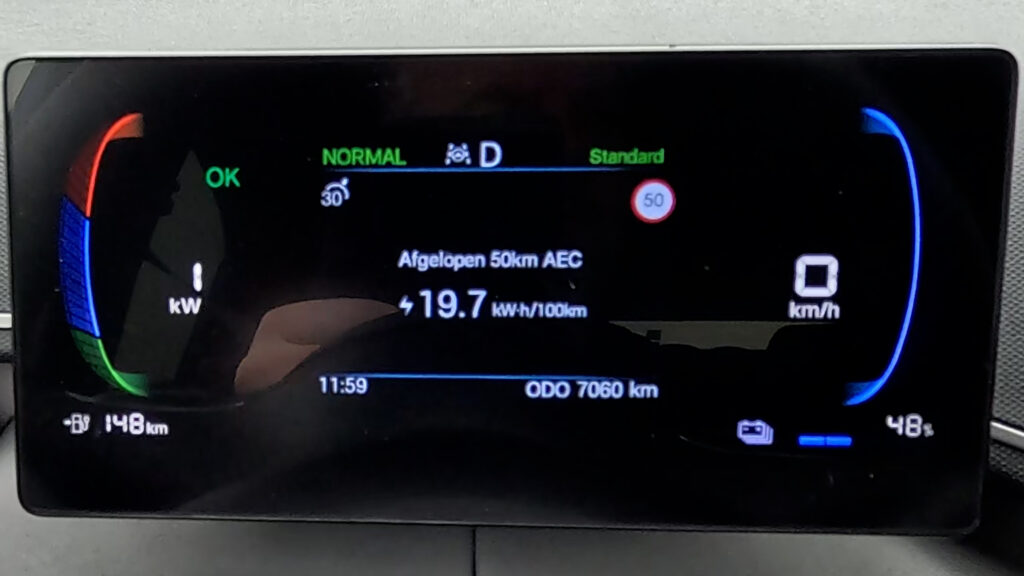
This is considerably lower than in the city or according to the WLTP specification, but fully in line with expectations. So those planning many long highway trips will need to fast-charge more often.
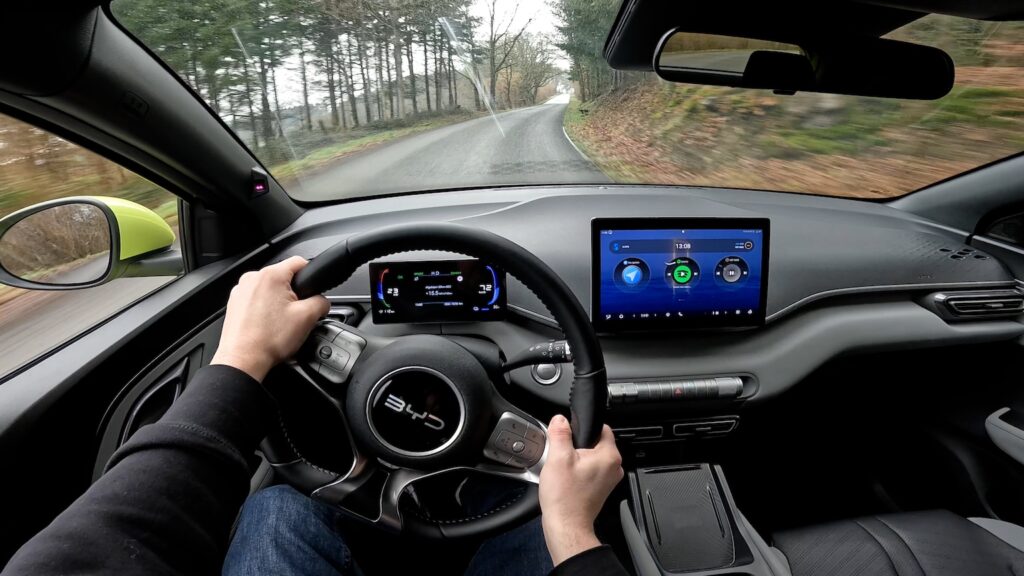
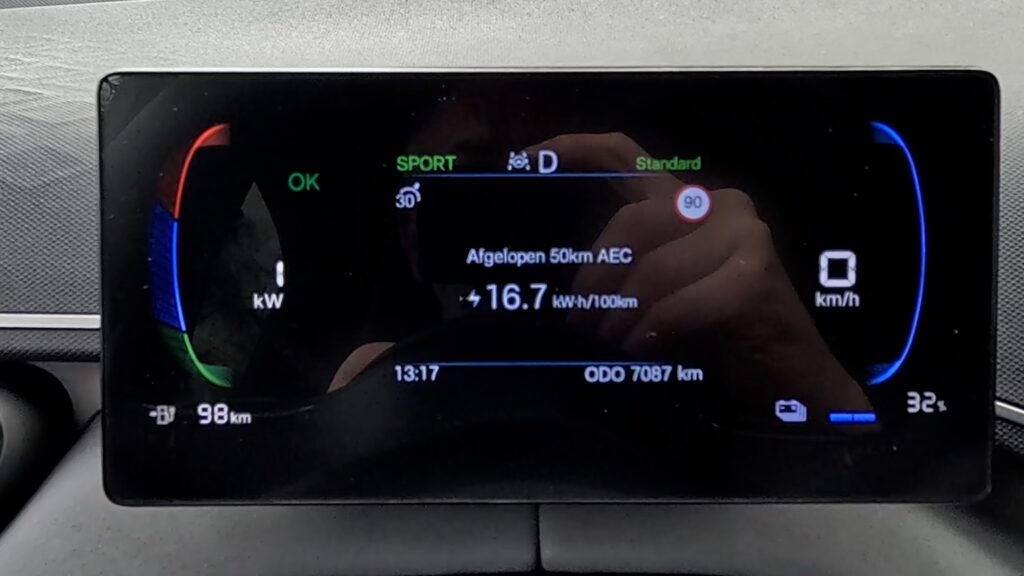
Near Marche-en-Famenne, we leave the highway for country roads. To test the car’s performance, I drive more sportily for a few kilometers, accelerating more frequently, before resuming easy driving. After 17 kilometers on these roads, the average consumption is 16.7 kWh/100 km. This brings the “sporty” range to 259 kilometers.
How long does it take to charge the BYD Dolphin Surf's battery?
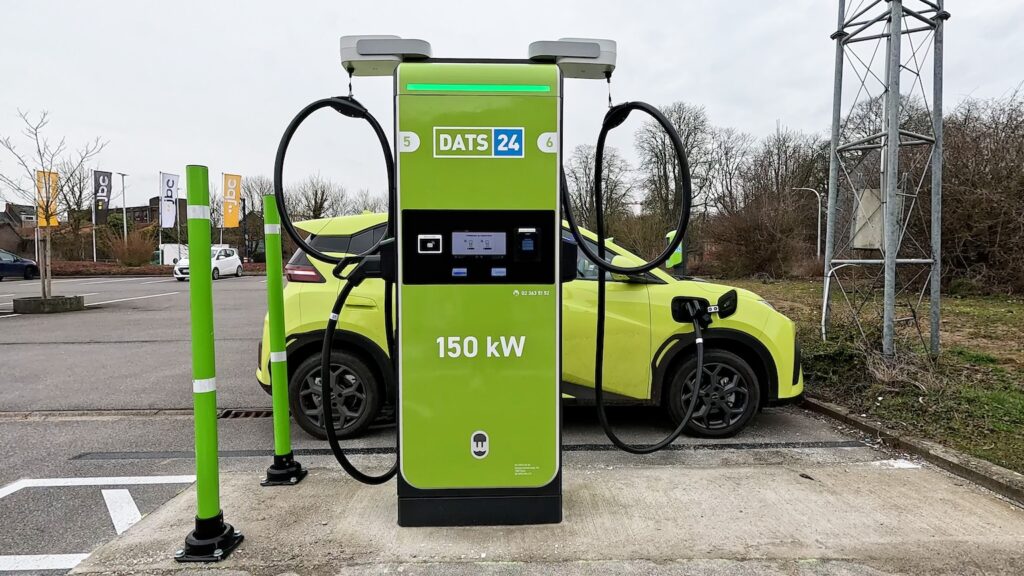 For this test, I visit one of the 60 charging stations of DATS 24, the sponsor of this range test. When buying a lower-cost electric car, it is important that it can fast charge. This is the case with the BYD Dolphin Surf, regardless of version. This Comfort version supports DC fast charging with a power of 85 kW. According to BYD, the car charges from 10% to 80% in 30 minutes.
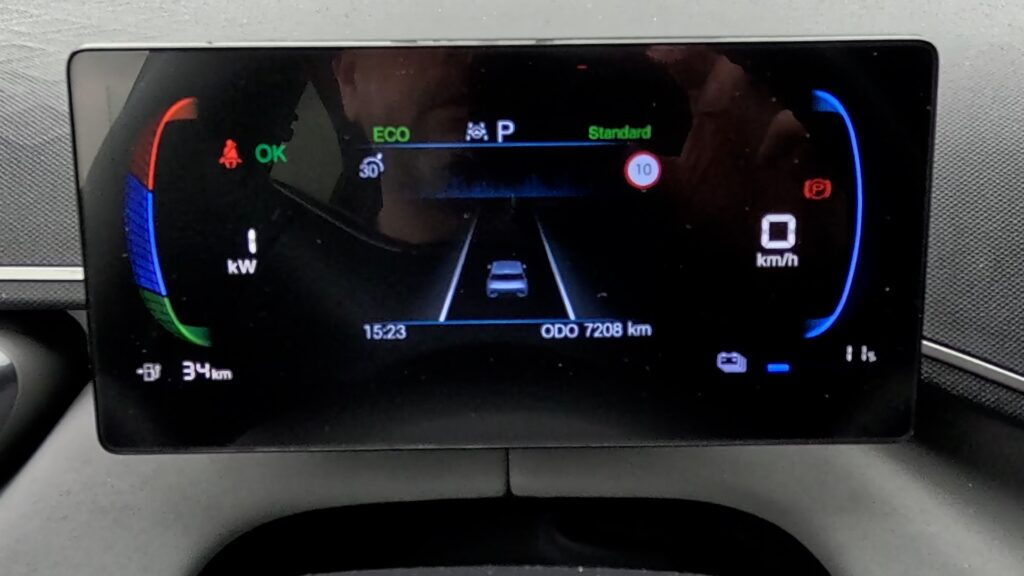
The test took place at an outside temperature of about 7 degrees. At start-up, the battery is 11% full and the range indicator shows 34 km. After one minute of charging, we reach an output of 75.1 kW. After ten minutes, the charging speed is 80.4 kW, peaking at 87 kW. At that point, 89 km of driving range has already been added and the battery is at 39%. 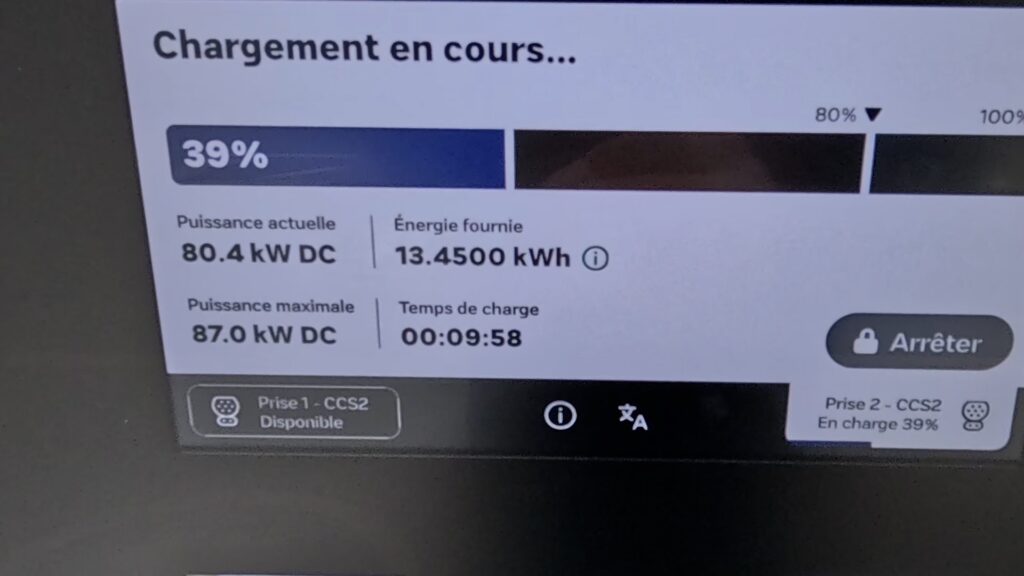
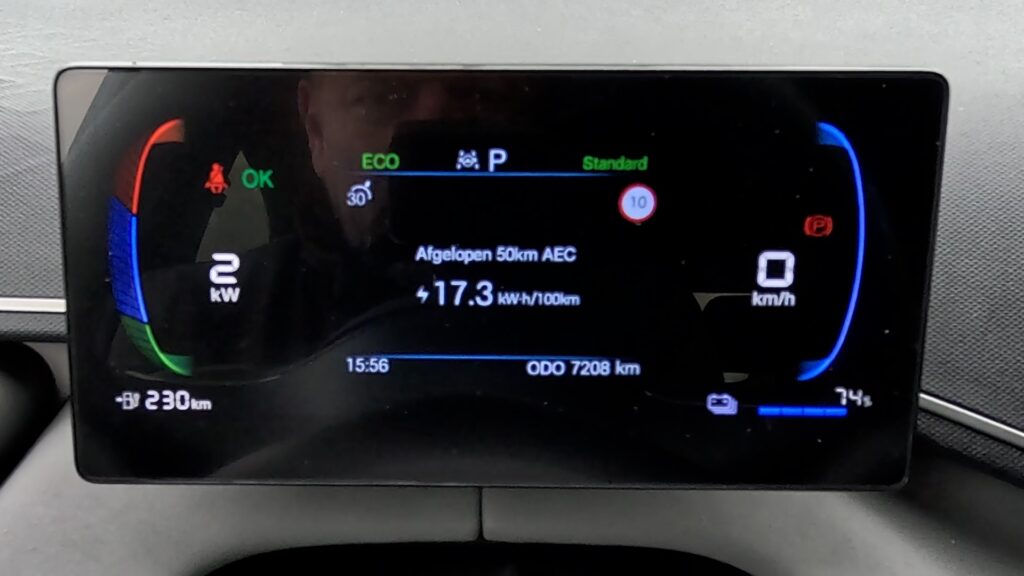
After twenty minutes, the charging rate dropped to 46.1 kW. Meanwhile, another 64 km of range is added and the battery is 60% full. After thirty minutes, we end the test. The charging rate has then dropped to 38.7 kW. The battery is at 74% with a remaining range of 230 km on the indicator.
So in thirty minutes we gained 196 km of range and increased battery capacity from 11% to 74% at 7 degrees.
As for AC charging, the BYD Dolphin can charge at 11 kW. The charging time to go from 0% to 100% is about 5 hours.
What is the maximum driving range of the BYD Dolphin Surf?
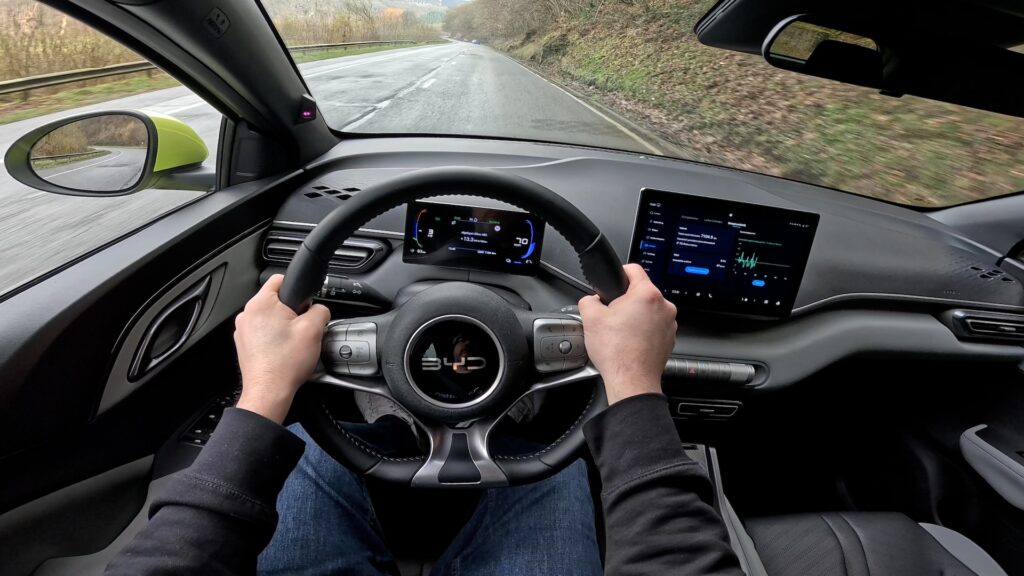
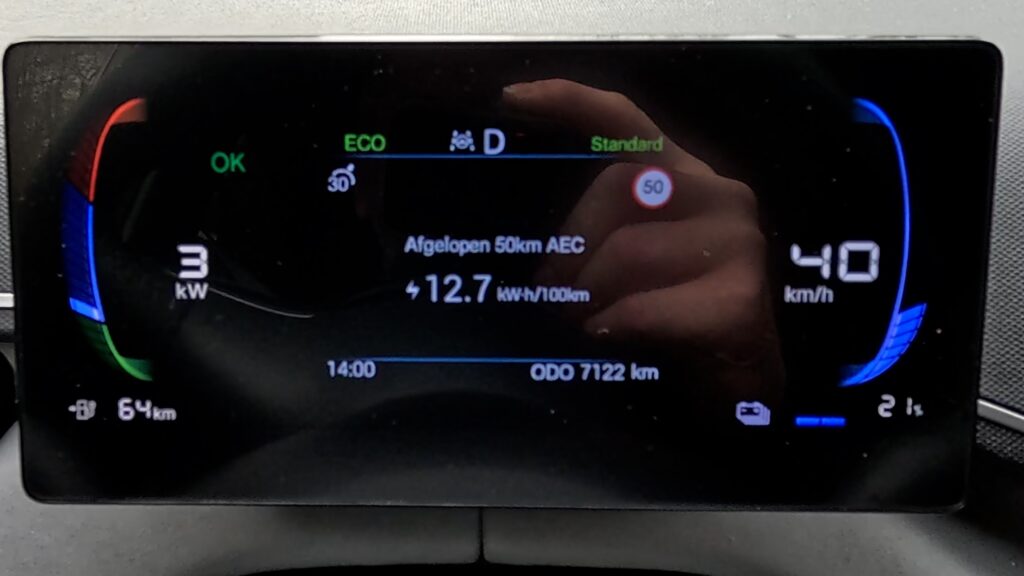
To determine the maximum driving range, we looked for typical regional roads. These are the ideal conditions: little traffic, no traffic lights and a constant speed of about 70 km/h. After driving 35 kilometers under these conditions, we recorded a consumption of 12.7 kWh/100 km. This is even lower than city consumption. If you can maintain this consumption, it results in an estimated driving range on regional roads of 341 kilometers.
how does he drive?
Although 156 hp sounds modest, the BYD Dolphin feels surprisingly nippy. Even when merging onto the highway, there is more than enough power available. However, at higher speeds quite a lot of wind noise is noticeable in the cabin. Despite its compact appearance, the interior space is not too bad. There is plenty of room in the back and the trunk space is also solid. Luggage space is 308 liters, or 1037 liters with the rear seats folded down. For a €25,000 car, you also get a remarkable amount of equipment. The interior does feel a bit “plasticy. This is to be expected given the price, but it does make it look a bit cheaper.
One point of criticism is the air conditioning controls. The slider for the temperature does not work with degrees, so it takes a while to find the right setting. The yellow color of the exterior is also a matter of taste. It looks a bit kitschy. In my opinion, the car looks better in black.
Conclusion: what is the driving range of the BYD Dolphin Surf?
During this test at a temperature of about 7 degrees, the minimum driving range on the highway came to 220 km. The maximum driving range was 341 km under ideal conditions on regional roads. In practice, the range for most drivers will be somewhere between these two values. In colder temperatures, the range will probably decrease somewhat, while it will certainly be higher in the summer months. The fact charging test showed a solid boost in the first 10 minutes, with 89 km of extra range. After that, the speed decreased a bit. In total, we gained 196 km of range in 30 minutes, with the battery increasing from 11% to 74%.



Add your first comment to this post


Add your first comment to this post