

What is the minimum driving range of the BYD Atto 2?
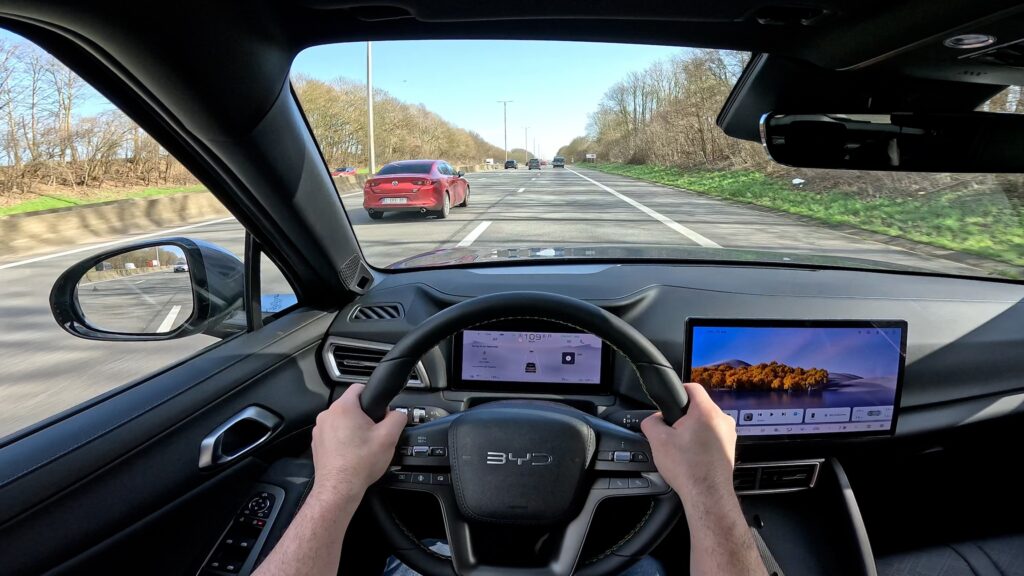
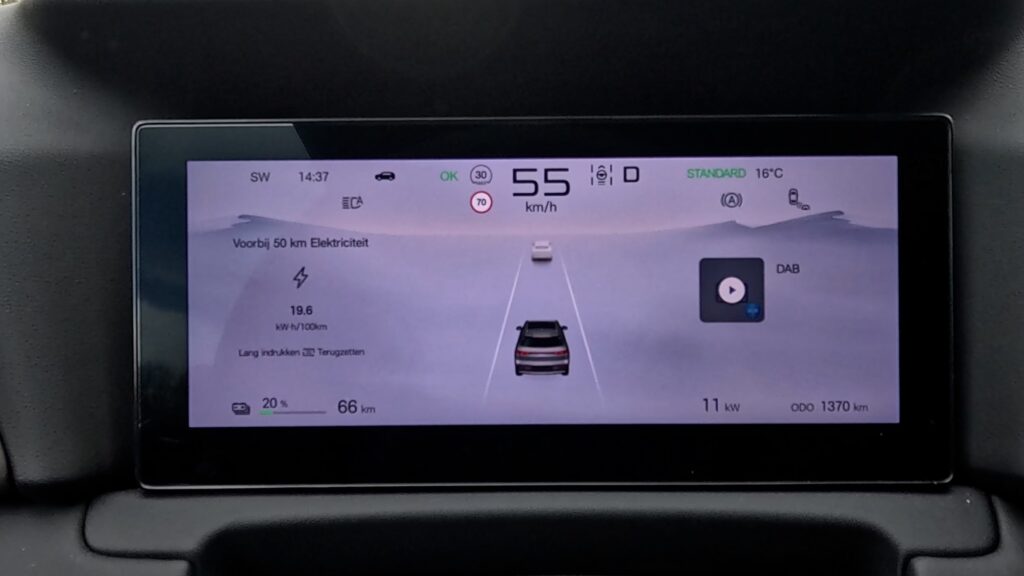
We take the freeway towards Namur, heading for the Ardennes roads. We drive 120 km/h where we can. Occasionally a little slower due to work, but overall it’s a smooth ride. I actually did this ride twice. On Day 1, I rode a total of 113 km. It was 17 degrees that day. Extremely warm for February. I ended up with a consumption of 19.6 kWh/100 km, giving an estimated highway range of 331 km.
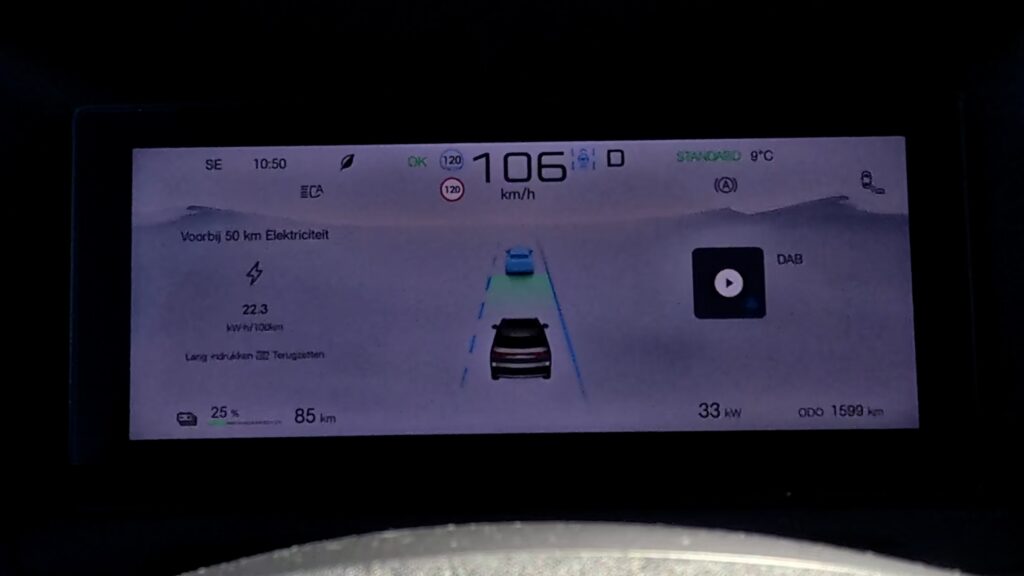
I also did that ride on another day. It was noticeably colder then, at 9 degrees. After a 78 km drive, I arrived at an average consumption of 22.3 kWh/100 km. That gives an estimated highway range of 291 km. The only difference between the two trips, is the temperature difference. So you notice that this has a big impact on the range.
How long does it take to charge the BYD Atto 2's battery?
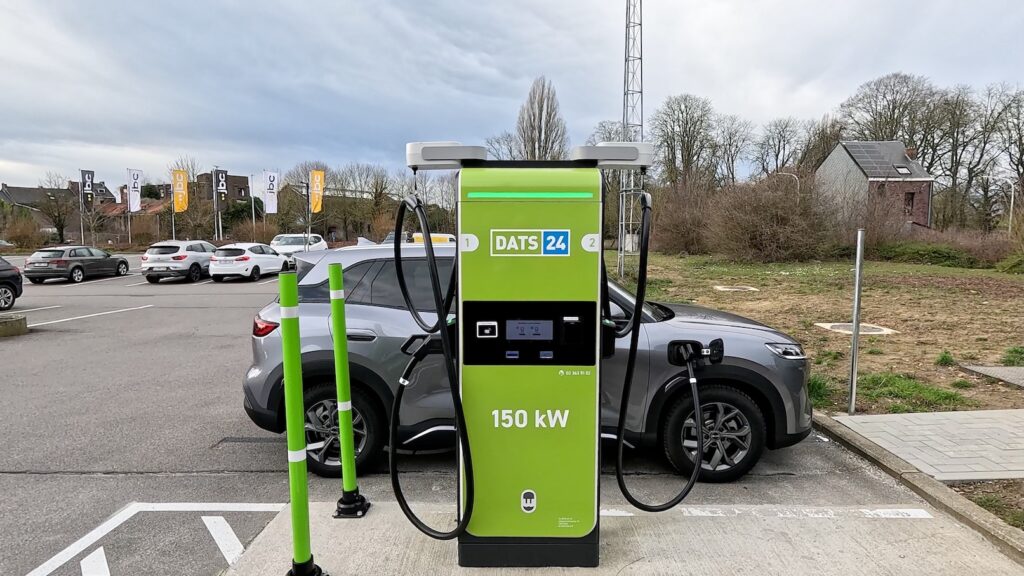
For this test, I visit one of the 60 charging squares of DATS 24, the sponsor of this range test. This comfort version can do DC fast charging at 155 kW. BYD says this EV goes from 10% to 80% in 25 min. We do the test at temperatures around 18 degrees. At the start of the test, the battery is 18% full and the range indicator is at 62 km.
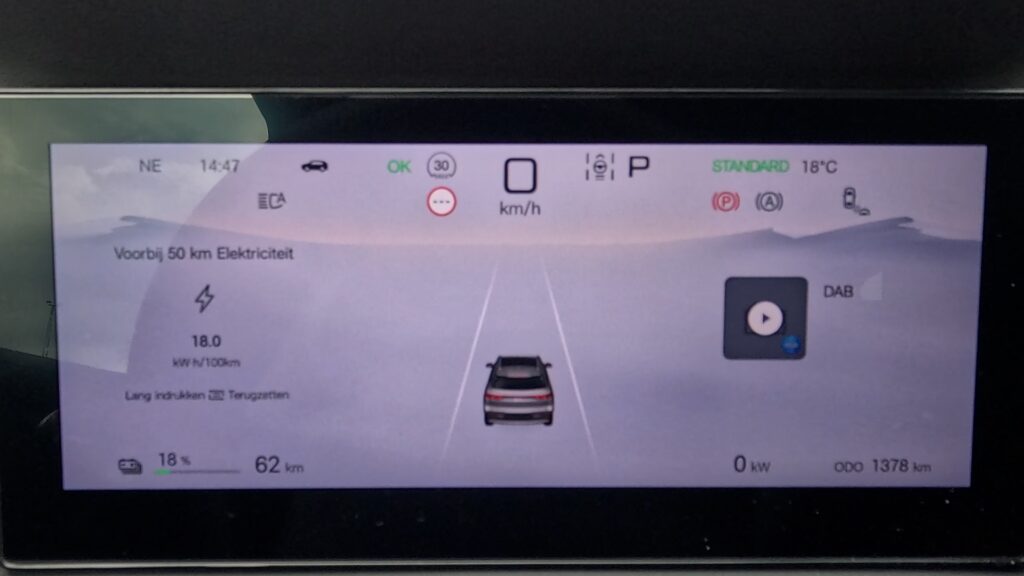
We start charging and after a few moments we are charging at a power of 103 kW. After 10 minutes, I look again. We are then charging at a rate of 126.4 kW. I also read on the screen that at some point we must have been charging at 136 kW.
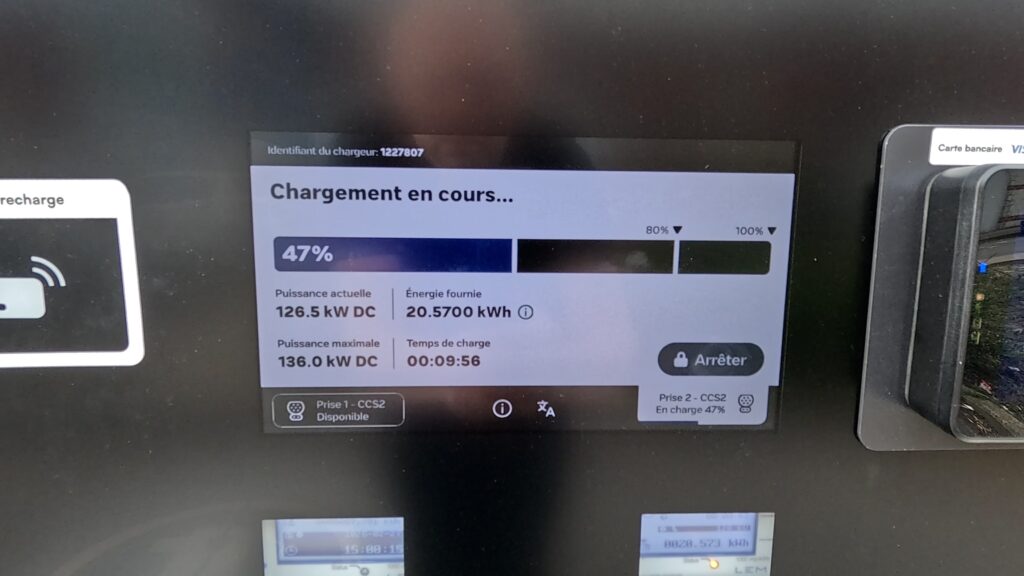
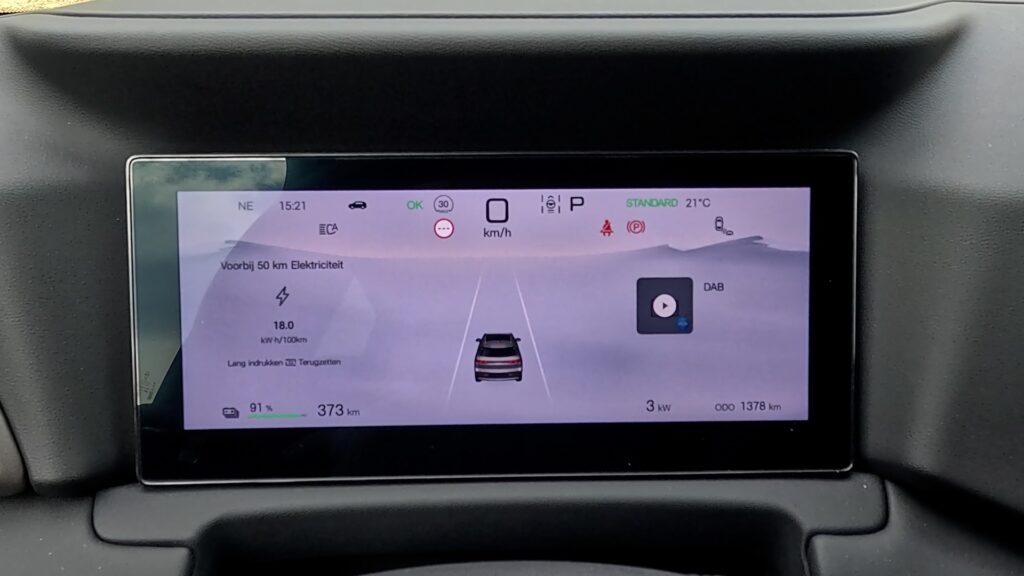
In 10 minutes, the battery went from 18% to 48%. After 20 minutes, the charging rate dropped to 80.1 kW. The battery went from 48% to 75%. After 30 minutes, we stop the test. I saw that we were then only at a speed of 51.3 kW. The battery is at 91% and we are at 373 km range on the indicator. So at 30 minutes we won 311 km and went from 18% to 91% at 18 degrees.
As for AC charging, the BYD Atto 2 can AC charge at 11 kW and the charging time to go from 0% to 100% is about 7h.
What is the maximum driving range of the BYD Atto 2?
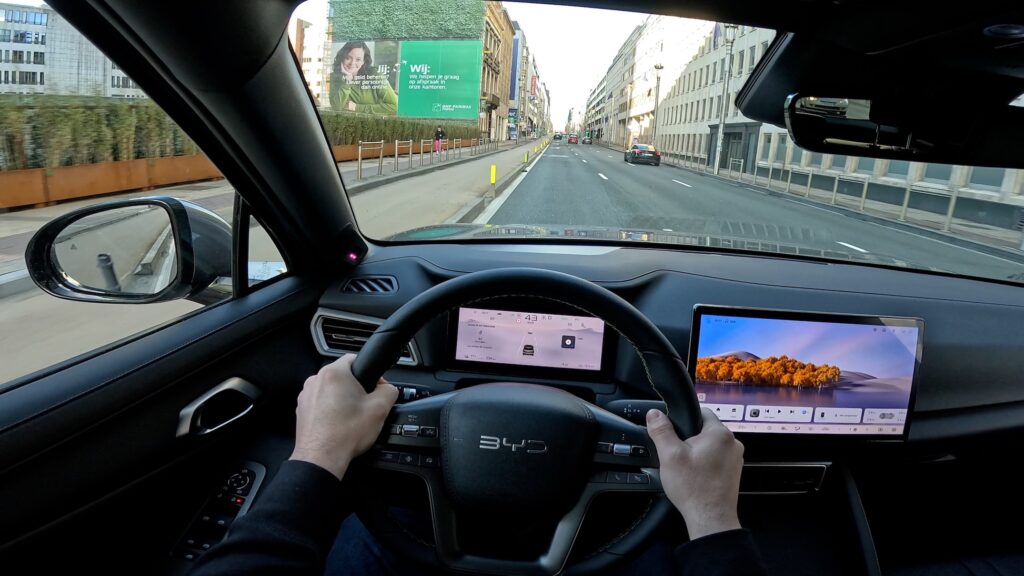
We start this test in Brussels. The first bit of driving was city traffic: stopping and accelerating at relatively low speeds. However, it was just after the morning rush hour, so there wasn’t much traffic jam driving. I did the test in February and the temperature was around 8 degrees. After 18 kilometers of driving, we got an initial figure. Consumption clocked in at 8.1 kWh/100 km. That is extremely low consumption.
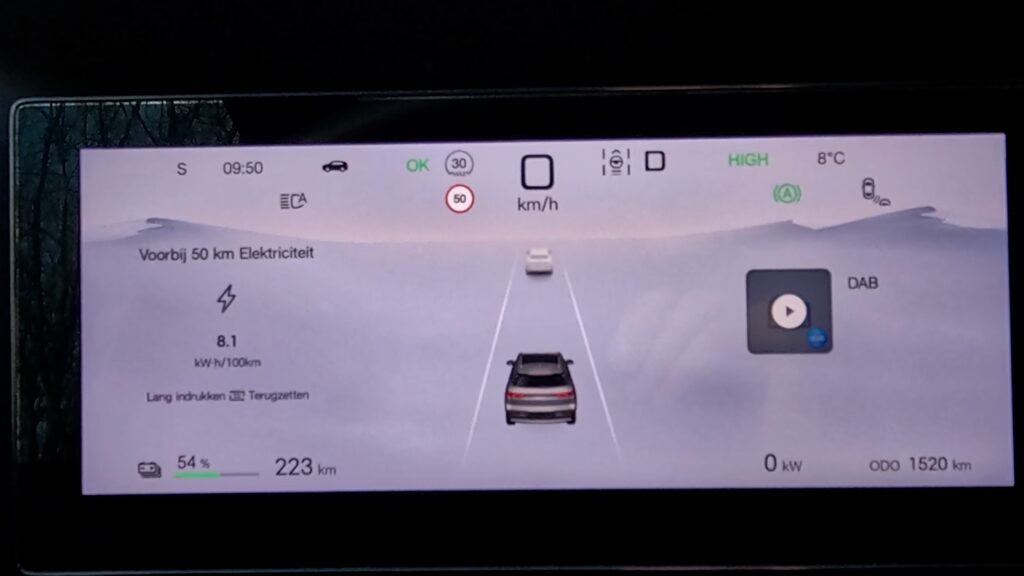
If we calculate a consumption of 8.1 kWh based on the battery capacity, we arrive at an estimated city range of 800 kilometers. That is an extremely economical result resulting in a very large estimated driving range. It is important to note that the test was done in a situation where I could just drive smoothly. So no city traffic, because in previous tests with other cars in city traffic, the consumption in the city often came out relatively high.
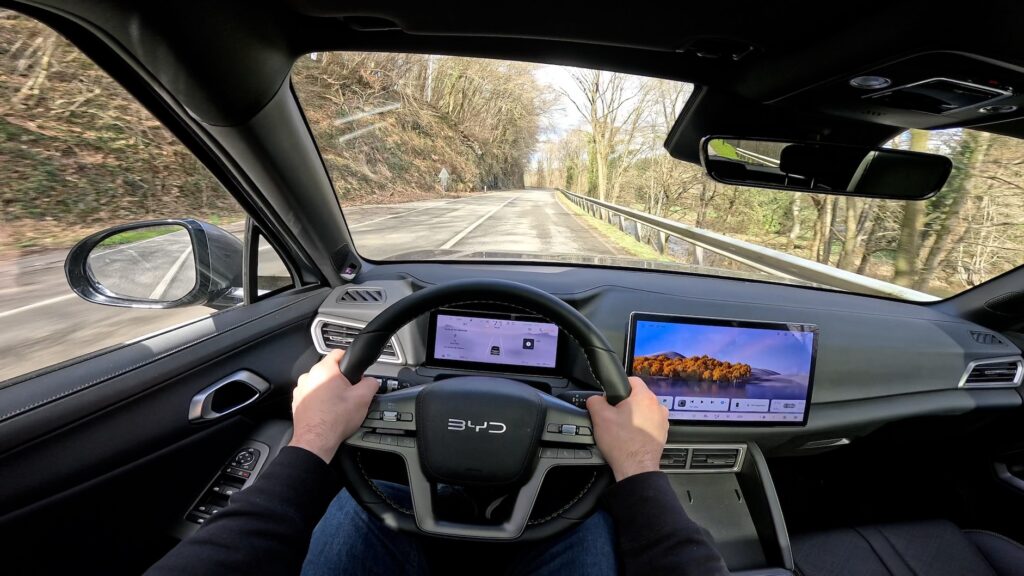
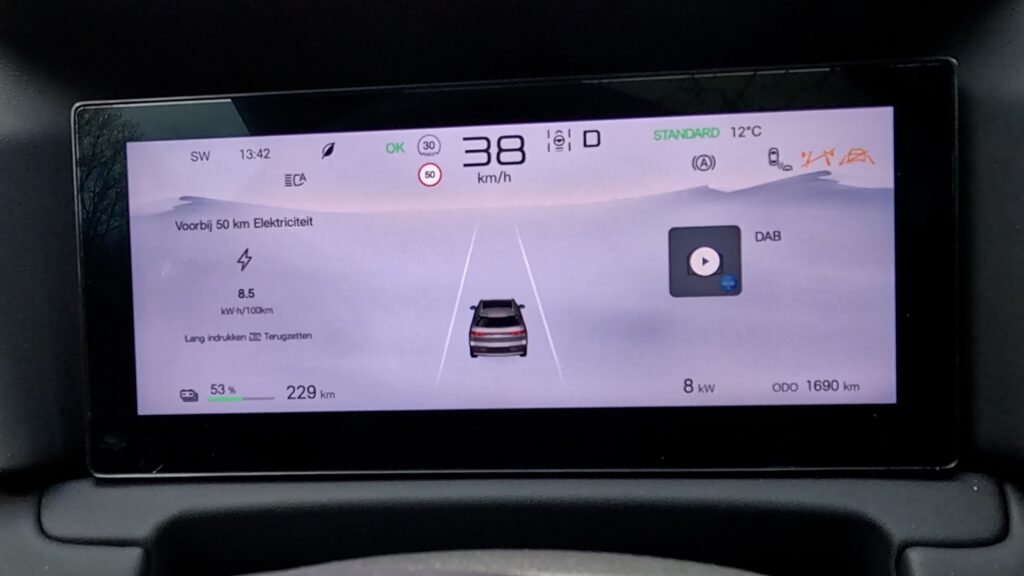
Can this maximum driving range get any better? For this I look for the typical regional roads, the B roads: little traffic, no traffic lights, and just smooth driving at a constant speed of about 70 km/h. These are pretty much the ideal conditions. I am curious to see if this is going to be even better than the results in the city. After a 33 kilometer drive under these conditions, I read a consumption of 8.5 kWh/100 km. This is comparable to city consumption. If you can maintain this consumption, you’re talking about a driving range of 762 kilometers.
Conclusion: what is the driving range of the BYD Atto 2?
In conclusion, the minimum highway driving range during my test came out to 291 km at 9 degrees and 331 km at 17 degrees. For the maximum driving range, I was at 800 km in the city at the most ideal conditions. On regional roads I came out at 762 km. This at temperatures of around 8 to 12 degrees. In practice, for most people it will be somewhere in between. I suspect that in colder temperatures you have a bit less range, and in summer possibly a bit more. In the fast charging test, we gained 311 km at 30 minutes and went from 18% to 91% at 18 degrees.
Add your first comment to this post